The Pulse of Residential for Rent SaaS

VIDEO LENGTH 11:47 minutes

See our expert take on Residential for Rent software, covering economic, market, technology, and M&A trends, along with insights to help you start thinking about key strategic decisions for operational efficiency, tenant engagement, and revenue optimization. Presented by Paul Lachance, SEG’s Chief Industry Strategist, this comprehensive overview will help you navigate the evolving landscape of residential for rent technology. 

TRANSCRIPTION

Introduction

{Paul Lachance:} Greetings, everybody. Paul Lachance here. I’m going to cover our State of Residential for Rent Software Report. This is a quick preview. You can always download the full version. Our report was created in combination with my teammates Brad Weeks and Daniel Bowen, and we get into everything from economic trends, market trends, technology trends, and mergers and acquisitions trends in detail throughout the report. 

What is Residential for Rent?

{Paul Lachance:} Starting at the high level, I’d like to just break down what we mean by residential for rent. Well, residential for rent is a core pillar of commercial real estate, and basically it’s any type of property that is commercially owned or operated, but has residents, tenants, and people renting in that facility. So single-family rentals, duplexes and triplexes, townhomes, apartment buildings, multifamily type properties, condominiums not necessarily for the owned part, but all the activities that go around that, and student and senior housing would all be part of residential for rent. So if it’s commercially owned and operated, but it has tenants and residents, the technology related to that will be part of this report. 

Framework: Live - Lease - Live

{Paul Lachance:} The report has a bunch of information about key metrics, market sizes, and other key data that impact the sector. We break the sector down into a Lead–Lease–Live framework, and it’s this framework, it’s a cycle, it’s a circle, because people start at one end and hopefully they go all the way through and maybe continue on the lead side. There’s a combination of back office and front tenant facing or I should say potential tenant facing marketing and lead generation, CRM, and the ability to have virtual or self-guided tours. 

Once a lead moves past the lead phase and is a candidate for leasing, we cover all of the technology that goes into that: the automated leasing platforms and the ability to track compliance, revenue management, pricing optimization, screening, and insurance. Then hopefully that all goes well, and the person moves in and they’re in the live phase. So there’s a lot of both tenant-facing as well as back office around that: utility and billing and energy, resident engagement and communication to try to reduce the churn of those tenants. Smart property operation type back office things, payments and accounting. That whole cycle continues, and we cover all aspects of this, including a variety of spotlights. 

Economic and Legal Factors Impacting the Industry

{Paul Lachance:} We also cover the current state of the market: economic macro trends, market challenges, lifestyle and communication trends, economic and social drivers. There’s a lot going on here, everything from how construction and labor costs are impacting and how SaaS software is helping work around those challenges, the changes in consumer trends or tenant preferences and social trends, and what’s going on in our general society, the aging population, remote work and migration aspects, urbanization and population growth, and how all of that is impacting. 

We also look at it from a headwinds and tailwinds standpoint. So interest rates are obviously high, construction costs have become high, affordability constraints are all headwinds. Tailwinds, well, there are a lot more people renting. Renter demand is up. Homeownership barriers are up because of all the headwinds we talked about, and they’re just creating more demand for renters. So there’s just a lot of these headwinds and tailwinds. In my opinion, they all tie into how can technology, how can SaaS help work around uncontrollable factors? 

In the report we cover all of this. There’s also legal news. We have a variety of aspects that we cover. Antitrust is one. There’s a large strategic player in the space who’s under some scrutiny right now about price fixing and collusion. So antitrust has become quite important that it’s being monitored. But there are a lot of other aspects, amenity fees and a variety of others that we discuss in the report and how they will tie into SaaS software.

Benefits of SaaS

{Paul Lachance:} Of course, SaaS technology and the benefits are amazing: increased operational efficiency, enhancing tenant experiences to reduce churn so that they don’t move out prematurely or so we can renew their lease, improved financial management, and data-driven decision making. There’s so much data behind these systems today, but just generally speaking, SaaS is amazing in the many ways it can help in the residential for rent sector.

Modern Technology Trends Shaping Property Management

{Paul Lachance:} We spotlight a variety of these technologies, and I always like to start with the general conversation about digital transformation. Digital transformation is a ubiquitous term, but to me it means: how can you look at old challenges, and also not only challenges but opportunities as well, and think differently? How can we approach them in a new way, especially paired with modern technology and strategy that will help us work around uncontrollable factors? We can’t control interest rates; we can’t control the high cost of labor. What we can do is use these tools, these amazing SaaS residential for rent technology tools to find solutions around these uncontrollable factors. 

So, the report goes into a variety of these use cases, and we spotlight examples of how we do this, the intersection of the digital and physical worlds, another area we feature. 

SaaS is amazing, but it’s even better when you can get data from the physical world. There’s all kinds of ways this crosses over: everything from e-signing; you’re not using paper as much as you used to, to using phones and fob devices to get through smart locks, whether it be into the gym, the building, or your apartment. Behind the scenes there are things like smart water management technology, automated climate and lighting control, energy management, IoT sensors that notify you when maintenance needs to be done on HVAC or other units. Then there’s other tenant-facing technology such as mobile devices or portal devices that are in the building where you can book things like a room or whatever you may need to do. The intersection of the digital and physical world has become amazing and really helps SaaS become smarter. 

We then home in on a variety of areas. Centralization is a good example. Centralization is streamlining property management. It’s unifying all these workflows into more cohesive platform-type systems. Clearly, we’re seeing this with the larger strategic players in the space. There are all kinds of benefits to this: operational efficiency, consistent tenant experience, and more. Taking all these aspects of the Lead–Lease–Live journey and bringing them into these centralized platforms. 

Software Tools Enabling the RFR Lifecycle

{Paul Lachance:} There are very specific areas that we focus on as well, and there’s a number of examples in the report. Lead engagement and insights is a good one. All those leads that we’re able to get through our marketing efforts, you can track them. You can look at the analytics and reporting. You can get engagement workflows so you can have an appropriate and consistent reach-out to these people, keeping that funnel full of potential residents in an intelligent way. 

Revenue optimization through dynamic pricing software is another area. Yes, there is that legal news spotlight we discussed earlier, but used appropriately, there are amazing things you can do by analyzing the activities, the listings, and the properties that are all over the place and figuring out how you can charge an appropriate amount for your property for that point in time. There are amazing tools that help you do that analysis. 

Automating lease management has also become streamlined. I just went through this process assisting my son who rented an apartment in Washington, DC. From the very beginning, when he started looking at properties, all the way to the final key handoff, it was all tracked in this platform. It was amazing to see the different aspects of the residential for rent lease management process be automated in these tools. 

Then there are more specific areas like qualification. How do you determine real-time income and employee verification by tying into these various data feeds? Fraud detection, identity verification, and a variety of other areas are supported by great tools along the way. 

Financial transactions with payments are another area. Payments are becoming integrated into the entire process: online rent collection, automated vendor payments, recurring payment options, real-time payment tracking, and integration into fintech. Payments in general have just become a big part of PMS revenue, and we talk about that in the report. 

Resident engagement is also key. Once you get somebody in your property, you want to keep them there as long as they should be there. You don’t want them to leave prematurely, and ideally you want them to renew. You do that by having good engagement: streamlining communication, maintenance requests, digital onboarding, having local services readily available, even things like loyalty and rewards. 

This also ties into the physical world: smart devices, portals, smart locks using your phone to get in and out of your apartment, and automated package lockers. What can you do to strengthen the tenant experience so they’re more likely to stay and more likely to tell their friends to move into this building? 

M&A Drivers

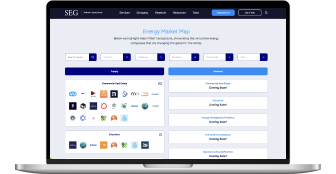
{Paul Lachance:} Our reports always have market maps where we cover all the players in the Lead–Lease–Live framework. We also include a mergers and acquisitions overview, where we cover what’s going on in the sector. We talk about who are the strategic buyers, who are the private equity buyers, and we provide commentary on consolidation and capital formation. 

Activity slowed down about five years ago, but it’s really started to pick back up. There was a lot that went on, especially by the major strategic buyers starting maybe five or six years ago. It slowed down, but now it’s really started to pick back up again, and there are a lot of reasons for this. The report talks about the cycles and what’s going on in the sector, and we feature a variety of deals within the residential for rent sector across the Lead–Lease–Live framework. 

Conclusion

{Paul Lachance:} The best thing you can do is to download the full report, where you can go into a lot more detail. And of course, if you have any questions, we always like to talk. Please reach out, and we’re happy to talk about any aspect of the report. Thank you very much and have an awesome day.

SEG's Industry Breakdown